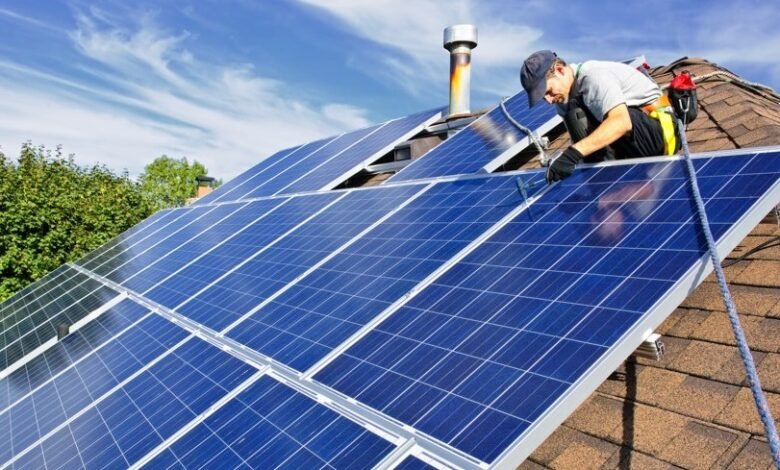
With rising electricity costs and a growing shift toward clean energy, more Columbus homeowners are exploring the benefits of solar power. Installing solar panels for home is an excellent long-term investment, but it’s important to understand your home’s needs and the technical considerations before committing. Whether your goal is saving money, reducing your carbon footprint, or boosting property value, the decision must be well-informed.
This guide breaks down the top factors every homeowner should consider before moving ahead with solar installation Columbus, ensuring you make the smartest, most cost-effective choice.
1. Your Home’s Energy Consumption
Before installing solar panels, it’s crucial to understand how much energy your household uses.

Why It Matters
- Helps determine the right system size
- Ensures maximum offset of grid electricity
- Avoids under-sizing or overspending on excessive capacity
Review at least 12 months of electricity bills to calculate your average monthly usage. A professional solar installation Columbus provider typically conducts this analysis during your consultation.
2. Roof Suitability and Condition
Your roof is the foundation of your solar system, so evaluating its condition is essential.
Key Considerations
- Age of the roof: Ideally, the roof should have at least 10–15 years of life left.
- Material: Asphalt shingles, metal, and tile roofs work best for mounting solar panels for home.
- Direction: South-facing roofs generate the highest output.
- Shade: Trees, nearby buildings, and chimneys can lower efficiency.
If repairs are needed, it’s wise to complete them before installation to avoid additional costs later.
3. Columbus Weather and Solar Efficiency
Some homeowners worry that Ohio’s cloudy days may affect performance—but modern solar panels are designed for variable weather.
Why Columbus is Suitable for Solar
- 160–190 sunny or partly sunny days annually
- Cooler temperatures improve panel efficiency
- High-efficiency solar technology captures diffused light
Professional solar installation Columbus companies consider local climate conditions when designing your system, ensuring year-round reliability.
4. Financial Readiness and Budget Planning
Solar power is an investment, and understanding the financial aspects is essential.
Costs to Consider
- Solar equipment (panels, inverters, racking)
- Installation labor
- Permits and inspections
- Optional battery storage
While the upfront cost may seem significant, the long-term savings from solar panels for home outweigh initial expenses.
Ways to Reduce Costs
- Federal Solar Tax Credit (ITC)
- Local rebates or utility incentives
- Zero-down financing
- Solar loans with flexible EMI options
Discuss financing options with your solar installation Columbus provider to determine what makes the most sense for your budget.
5. The Type and Quality of Solar Panels
Not all solar panels are the same. Different types offer varying efficiency levels, warranties, and aesthetics.
Common Panel Types
- Monocrystalline: Highest efficiency and sleek appearance
- Polycrystalline: More affordable, slightly lower efficiency
- Thin-film: Lightweight but less efficient (less common for homes)
Choosing high-quality solar panels for home ensures better performance, durability, and long-term savings.
6. Inverter and Battery Storage Options
Your solar panels generate DC electricity, which must be converted into AC to power your home.
Types of Inverters
- String inverters
- Microinverters
- Hybrid inverters
Microinverters often provide better performance, especially for homes with partial shading.
Battery Storage
More homeowners are adding batteries to their solar installation Columbus because they:
- Provide backup during power outages
- Store excess solar energy
- Increase independence from the grid
While optional, batteries offer significant value for long-term energy security.
7. Permits, Utility Rules, and Net Metering
Every solar installation must meet local regulations and utility requirements.
Important Considerations
- Electrical permits
- Utility interconnection approval
- City inspections
Ohio also offers net metering, allowing homeowners to send excess solar energy back to the grid and earn credits. This increases the financial return of solar panels for home significantly.
Your installer typically manages all paperwork, but it’s good to understand these processes.
8. Choosing the Right Solar Installation Company
Selecting the right installer is one of the most critical decisions you’ll make.
What to Look For
- Experience with solar installation Columbus
- NABCEP-certified technicians
- Strong reputation and customer reviews
- Transparent pricing and warranties
- Clear timelines and communication
A reliable installer ensures your system is efficient, durable, and built for long-term performance.
9. Warranty and Long-Term Support
Solar is a 25-year investment, so warranties matter.
Key Warranty Types
- Panel performance warranty (typically 25 years)
- Product warranty
- Inverter warranty
- Workmanship warranty
Make sure your solar installation Columbus provider offers long-term support, monitoring, and service.
10. Monitoring System for Energy Production
Once installed, your system should be easy to track.
Most solar panels for home come with mobile and web monitoring tools showing:
- Real-time energy production
- Monthly and yearly performance
- System health alerts
Monitoring ensures your system is always running at peak efficiency.
11. Long-Term Savings and ROI Expectations
Solar panels reduce or eliminate monthly electricity bills.
Typical Homeowner Benefits
- Savings start immediately
- ROI usually achieved in 6–8 years
- 25+ years of clean, free energy
Evaluate your timeline, budget, and long-term goals to determine how solar aligns with your financial expectations.
Conclusion
Installing solar panels for home is one of the smartest investments Columbus homeowners can make—financially, environmentally, and technologically. But making the right decision requires careful evaluation of your roof, energy needs, budget, installer, equipment, and long-term goals. With the help of a reliable solar installation Columbus provider, the process becomes smooth, predictable, and highly rewarding.
By considering the key factors outlined in this guide, you can move forward confidently and ensure your solar system delivers maximum value for many years to come.
FAQs
1. Do solar panels for home work well in Columbus?
Yes. Modern panels perform efficiently even in cloudy weather and deliver excellent year-round output.
2. How much does solar installation Columbus typically cost?
Costs vary based on system size and equipment, but most homeowners recover their investment in 6–8 years.
3. Can solar panels damage my roof?
No. Professional installation ensures proper sealing and mounting that protect your roof from leaks or damage.
4. Are batteries necessary for solar panels for home?
Not required, but highly beneficial for backup power and increased energy independence.
5. What maintenance do solar systems require?
Minimal—mostly cleaning and occasional inspections. Panels are built to withstand weather and last 25+ years.