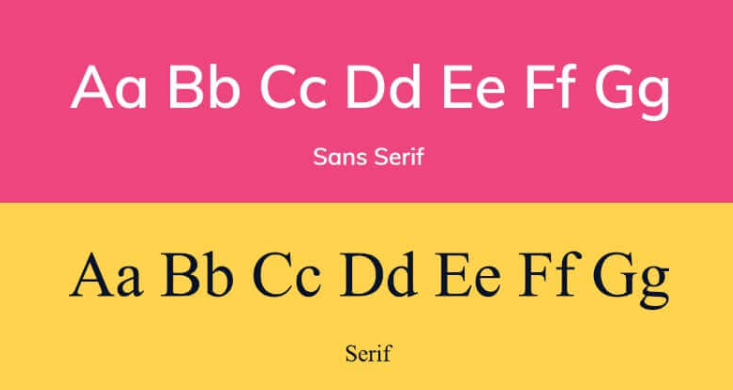
Sans serif fonts are the dominant typeface choice for contemporary design because of their clarity, versatility, and minimalistic beauty. They remove decorative strokes, allowing letterforms to appear clean, open, and modern. This simplicity improves readability on screens and small devices, which explains why digital interfaces rely heavily on sans serif families. Sans serifs also carry a neutral tone that adapts easily to different brand voices.
Why Sans Serif Fonts Continue to Dominate Modern Design
TypeType Foundry has some of the most refined sans serif families available, including TT Norms Pro, TT Commons Pro, TT Firs Text, TT Interphases Pro, and TT Hoves Pro. Each of these families represents a different personality within the sans serif category. TT Norms Pro is the geometric classic—simple, stable, and highly legible. TT Firs Text is a warm humanist sans serif perfect for long-form reading. TT Interphases Pro is engineered for digital environments with optimized spacing and adaptation features. These variations illustrate why sans serif fonts remain central to modern typography: they are functional, adaptable, and aesthetically aligned with current trends.
See also: Top Factors to Consider Before Installing Solar Panels for Home in Columbus


How Sans Serif Fonts Improve Readability and User Experience
Sans serif fonts excel in clarity because their clean shapes maintain structure in both small and large text sizes. This makes them ideal for UI design, web reading, signage, and lightweight mobile applications. Their simplified forms reduce visual noise, helping readers process information faster.
In digital environments, sans serifs like TT Interphases Pro maintain excellent pixel performance, and their variable versions allow precise weight adjustment. This ensures readability even in low-contrast or compact layouts. In print settings, sans serif weights deliver crisp lines and strong visual presence. The open counters and consistent stroke widths of TypeType fonts improve flow, especially for short paragraphs and headlines.
Why Designers Choose Sans Serif Fonts for Branding
Brands rely on sans serif fonts for their modern, professional feel. A geometric sans like TT Norms Pro communicates stability and confidence, while a more character-driven sans like TT Hoves Pro adds personality. Designers choose sans serif families because they offer flexibility—light weights for elegance, medium weights for UI clarity, and bold weights for bold visual statements.
Sans serif fonts also pair easily with serifs or display fonts, giving designers freedom to create dynamic typographic systems.
How to Use Sans Serif Fonts Effectively Across Media
Effective use of sans serif fonts begins with weight hierarchy. Use lighter weights for paragraphs, medium for UI, and bold for headings. Test the font across platforms to ensure clarity. For branding, integrate the same sans serif across digital and print for unified tone. Combine a sans serif with a serif or display font to introduce contrast without overwhelming the layout.
Always maintain spacing discipline—sans serif fonts look best when paired with generous white space to highlight their clean geometry.
Conclusion
Sans serif fonts dominate modern typography because of their clarity, flexibility, and professional appearance. With diverse options from TypeType Foundry, designers can craft clean, strong, and visually compelling systems that hold up across all media.